Table of Contents
- Common Causes of Winter Roof Leaks
- Ice Damming and How It Damages Roofs
- Warning Signs You Need Immediate Roof Leak Repair
- Types of Roof Repairs Required During Winter
- Repair vs Roof Replacement: Making the Right Call
- Snow Removal and Winter Prevention Methods
- How to Choose the Right Toronto Roofing Company
- Ongoing Maintenance to Avoid Winter Roof Damage
When winter settles in across Toronto, roof problems tend to surface at the worst possible time. A slow drip from the ceiling, damp drywall, or a spreading stain often means water has already been getting in for a while. Winter roof leak repair in Toronto is different from warm-weather repairs because cold temperatures, snow buildup, and ice change how water behaves on your roof.
Unlike summer leaks that usually come straight down, winter leaks can travel sideways through insulation, framing, and ceiling cavities before showing up indoors. That’s why early detection and proper repairs are so important. Understanding how winter damages roofs helps homeowners act quickly and avoid costly interior repairs.
Understanding Winter Roof Leaks in Toronto
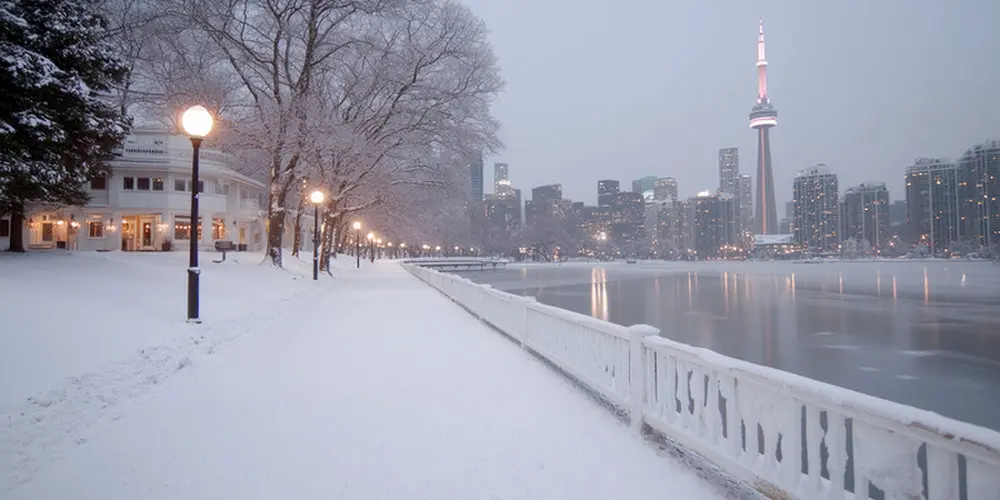
Toronto winters place constant stress on roofing systems. Prolonged freezing temperatures, snow accumulation, and repeated freeze-thaw cycles wear down materials much faster than most homeowners realize. Roof leaks during winter often remain hidden until insulation becomes saturated or water reaches finished living spaces.
Most winter roof leaks don’t start suddenly. Snow melts from heat loss inside the home, refreezes at the roof edges, and gradually forces water into places it doesn’t belong. Once moisture finds a path beneath shingles or membranes, it can spread far beyond the original entry point.
Effective winter roof leak repair in Toronto starts with identifying the real cause, not just the visible damage. Ice buildup, failing flashing, worn shingles, or ventilation issues often work together to create the problem.
Common Causes of Winter Roof Leaks
Temperature Swings
Toronto’s winter weather is defined by constant temperature changes. Snow melts during mild daytime conditions and refreezes overnight. As water expands when it freezes, it can crack shingles, loosen fasteners, and stress roof membranes. Over time, this movement opens pathways for water intrusion.
Inadequate Insulation and Ventilation
Many winter leaks are tied directly to heat escaping from the attic. Poor insulation or blocked ventilation warms the roof surface unevenly, causing snow to melt faster in certain areas. This uneven melting is a major contributor to ice dam formation and winter roof damage.
Aging Roofing Materials
As roofing systems age, they become less flexible. Shingles can crack in cold weather, while flat roof membranes may split at seams or transitions. Older materials simply don’t handle winter conditions as well, making them more vulnerable to leaks.
Blocked Gutters and Drainage Issues
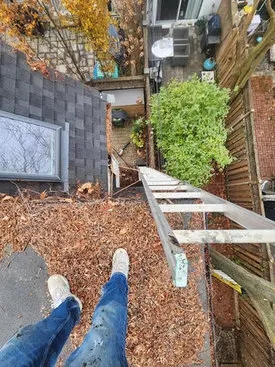
Ice-filled gutters and downspouts trap water on the roof. With nowhere to drain, meltwater backs up beneath roofing materials. This is especially risky on flat roofs, where drainage plays a critical role year-round.
Ice Damming and How It Damages Roofs
How Ice Dams Develop
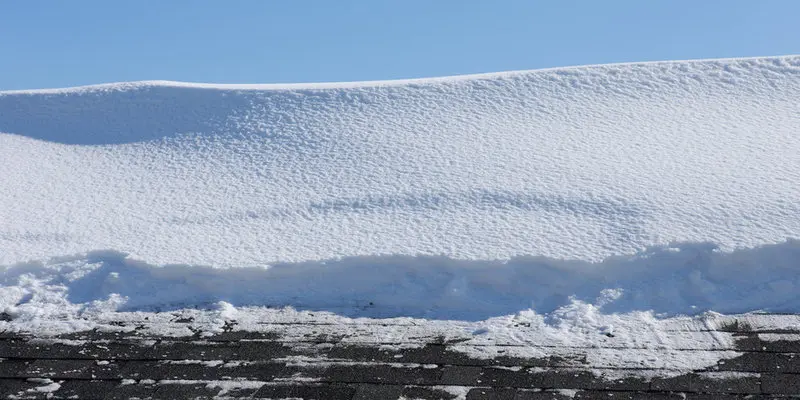
- Heat escapes from the home into the attic
- Snow melts on warmer roof sections
- Water flows toward colder roof edges
- Ice forms at the eaves and gutters
- Meltwater backs up under shingles and flashing
Damage Caused by Ice Dams
Ice dams can cause widespread damage, including:
- Wet insulation and reduced energy efficiency
- Ceiling stains and drywall deterioration
- Mold growth from trapped moisture
- Rotting roof decking and framing
- Bent gutters and damaged fascia boards
The weight of ice can also strain the roof structure itself, leading to long-term problems if left unaddressed.
Warning Signs You Need Immediate Roof Leak Repair
Catching winter roof issues early can prevent serious interior damage. Common warning signs include:
Inside the Home
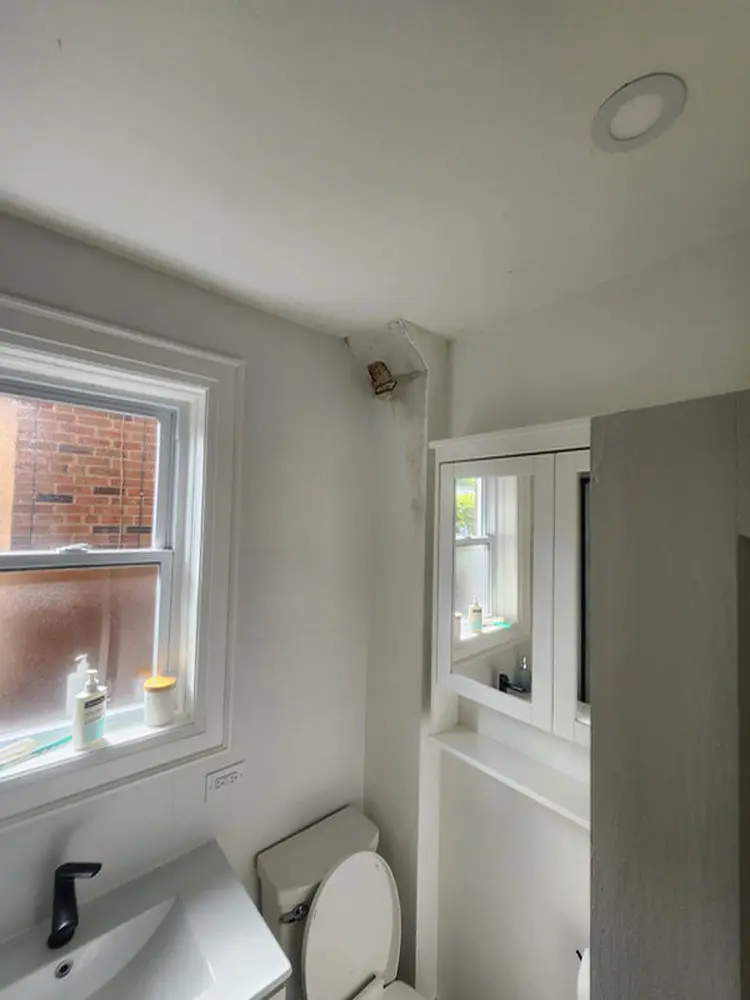
- Water stains or bubbling paint
- Dripping sounds during thaw cycles
- Damp insulation smells or musty odours
- Peeling finishes near ceilings or exterior walls
Outside the Home
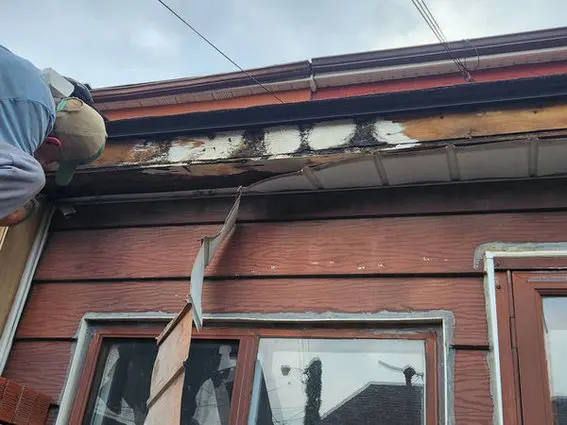
- Large icicles forming along the roof edge
- Ice buildup in gutters
- Missing or cracked shingles
- Uneven snow melt across the roof
What to Do Right Away
If you suspect a leak, contact a professional roofing contractor as soon as possible. Avoid climbing onto icy roofs. Use buckets to manage active leaks and, if safe, remove snow near the roof edge with a roof rake.
Types of Roof Repairs Required During Winter
Roof Shingles Repair
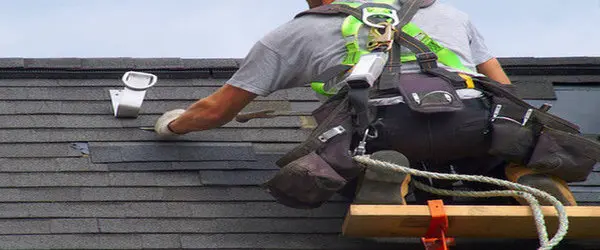
Winter roof shingles repair requires specialized materials that remain flexible in cold temperatures. Temporary or permanent fixes may be needed depending on weather conditions and damage severity.
Flat Roof Repair
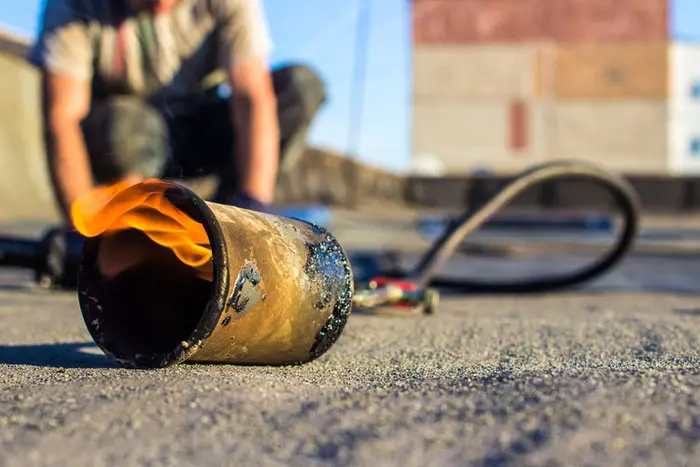
Flat roof repair in winter often focuses on drainage and membrane integrity. Common winter flat roof repairs include:
- Cold-applied membrane patches
- Clearing ice-blocked drains
- Repairing split seams
- Installing temporary water-diversion systems
Flashing and Penetration Repairs
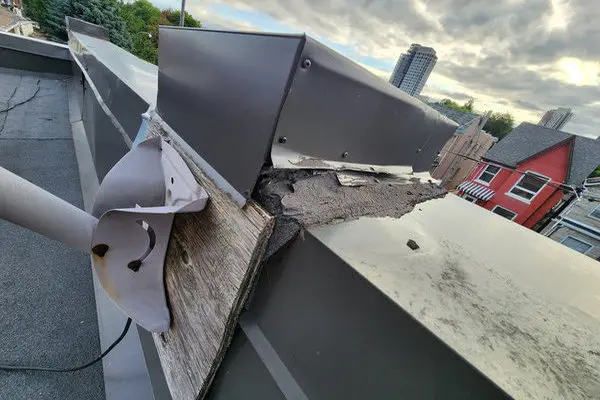
Areas around chimneys, vents, and skylights are frequent leak sources. Winter movement and ice buildup can loosen flashing, allowing water to enter beneath the roof surface.
Temporary Emergency Repairs
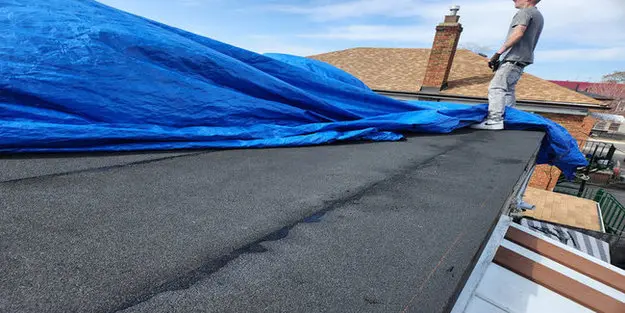
In severe conditions, roofers may install tarps, perform controlled ice removal, or apply temporary seals until permanent repairs can be completed safely.
Repair vs Roof Replacement: Making the Right Call
Roof Shingles Replacement
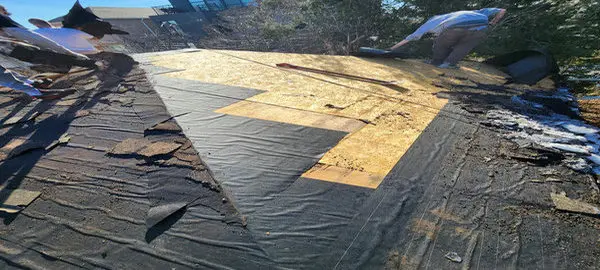
If a roof has multiple leaks, widespread shingle damage, or a long repair history, roof shingles replacement may be the smarter long-term solution. Aging roofs often struggle through winter regardless of repairs.
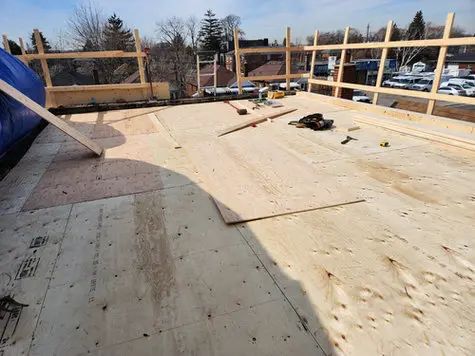
Flat Roof Replacement
Seasonal Timing
While full roof replacement is often scheduled for warmer months, safety-related structural damage may require immediate action, even in winter.
Snow Removal and Winter Prevention Methods
Professional Snow Removal
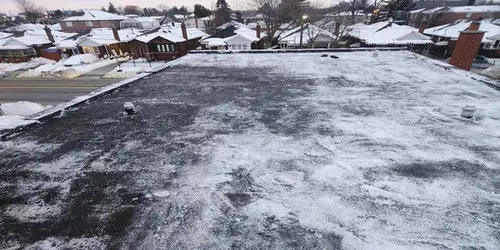
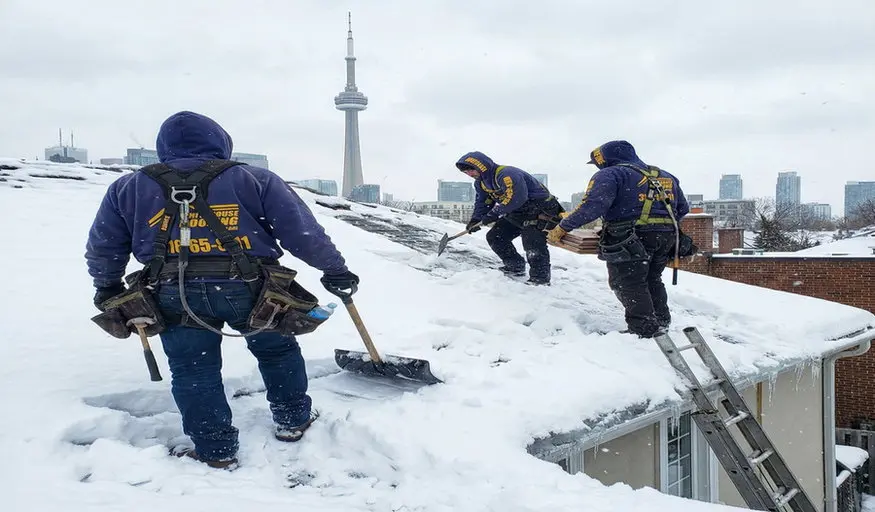
Snow removal for flat and sloped roofs reduces structural load and helps prevent ice dam formation. Professionals know how to remove snow without damaging roofing materials.
Safe Practices
- Never walk on icy roofs
- Use proper roof rakes only
- Remove snow gradually
- Focus on eaves and drainage points
Ventilation Improvements
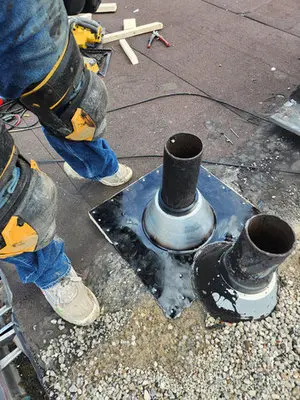
Balanced attic ventilation helps maintain consistent roof temperatures, reducing snow melt and ice buildup.
Slate Roof Considerations
Slate Roof Leak Repair
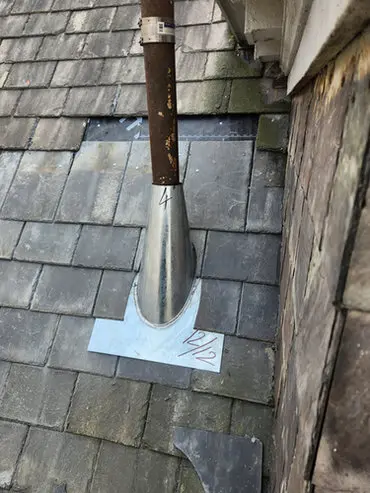
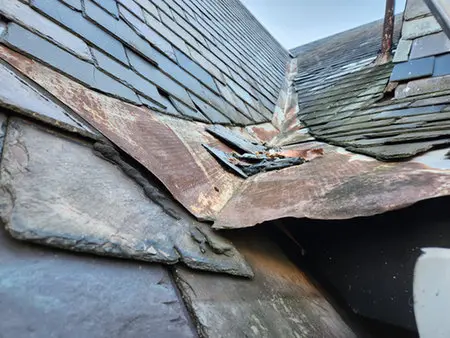
Slates can crack during freeze-thaw cycles, and damaged flashing often causes leaks rather than the slate itself.
Slate Roof Maintenance
Slate Roof Replacement
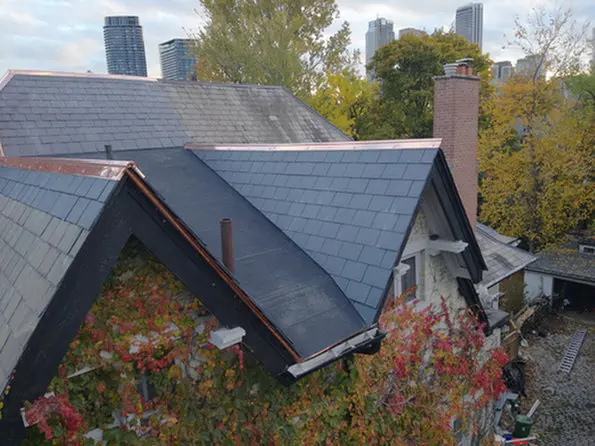
When widespread damage or structural concerns exist, slate roof replacement may be necessary to restore long-term performance.
How to Choose the Right Toronto Roofing Company

Look for a roofing contractor with proven winter experience, proper licensing, insurance, and the ability to respond quickly during cold weather. Reliable contractors also offer warranties and follow-up inspections once winter conditions ease.
Ongoing Maintenance to Avoid Winter Roof Damage
Before Winter
- Clean gutters and downspouts
- Repair loose shingles and flashing
- Check insulation and ventilation
During Winter
- Monitor ice buildup
- Watch for interior warning signs
- Address small issues early
Professional Maintenance
Regular inspections and maintenance programs help prevent emergency winter roof leak repair in Toronto and extend the life of your roof.
Watch for Roof leaks
Winter roof leaks can escalate quickly, but with proper care and professional help, serious damage can be avoided. Whether it’s emergency roof repair, flat roof replacement, or slate roof maintenance, working with experienced Toronto roofing professionals keeps your home protected throughout the winter season.
If you suspect a winter roof issue, don’t wait. Early action makes all the difference.
Why do roof leaks seem to happen more often during winter in Toronto?
Winter creates conditions that push water into areas it normally can’t reach. Snow melts during mild periods, refreezes at colder roof edges, and forms ice dams. That trapped water backs up under shingles, flashing, and roof membranes, causing leaks that often don’t appear until interior damage has already started.
Can a roof leak start even if my shingles look fine?
Yes. Many winter roof leaks aren’t caused by missing shingles. They often come from ice damming, failing flashing, blocked drainage, or heat loss from the attic. Water can travel beneath intact shingles and show up far from where it entered.
Is it safe to repair a roof during winter?
Professional roofers are trained and equipped to work in winter conditions. They use cold-weather materials and follow safety procedures that homeowners shouldn’t attempt themselves. DIY winter repairs are risky and can cause further damage or injury.
Are winter roof repairs permanent or just temporary fixes?
It depends on the weather and the type of damage. Some winter repairs are permanent, while others are temporary measures designed to stop active leaks until full repairs or replacement can be completed safely in warmer conditions. A reputable roofer will explain which solution is being used and why.
How can I reduce the risk of winter roof leaks in the future?
The best prevention includes proper attic insulation and ventilation, keeping gutters clear, removing excess snow from roof edges, and addressing small roofing issues before winter arrives. Regular professional inspections help catch problems early, before they turn into emergency repairs.