Toronto Wildlife Roof Damage — What Homeowners Need to Know
Repairing the damage raccoons, squirrels, and birds leave behind on Toronto roofs since 2007.
Toronto is a wildlife city. Raccoons, squirrels, skunks, birds, and other urban wildlife do not just live in ravines and parks anymore. They are increasingly finding their way into attics, soffits, chimneys, and roof systems across the city.
I’ve been working on roofs across Toronto since 2007. In that time, wildlife-related roof damage has gone from an occasional service call to one of the most common problems homeowners face. Older Toronto homes, mature tree canopies, changing weather patterns, and aging roofing materials have created ideal conditions for wildlife intrusion.
This guide combines the City of Toronto’s wildlife-proofing recommendations, current industry best practices, and nearly two decades of hands-on roofing experience. The goal is simple — help homeowners understand how wildlife damages roofs, how to properly prevent it, and why permanent roofing repairs matter far more than temporary patchwork solutions.
Why Toronto Homes Attract Wildlife
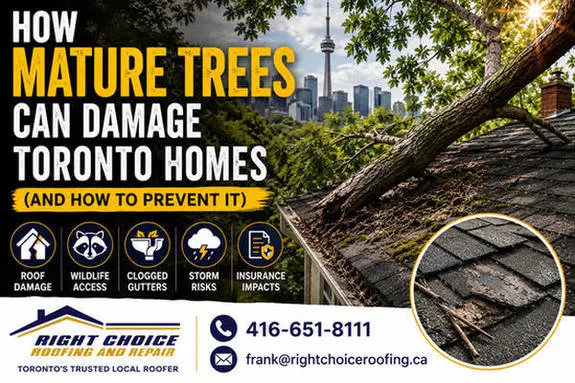
Toronto’s mix of mature trees, older neighbourhoods, ravine systems, and densely packed homes creates ideal shelter opportunities for wildlife. Animals naturally search for warm, protected spaces. Damaged roofing components often provide easy access.
Older homes are especially vulnerable. Aging cedar soffits soften over time. Wood fascia rots behind clogged eavestroughs. Older galvanized vents corrode around seams and fasteners. Wildlife rarely creates openings completely from scratch. Instead, they usually exploit weak areas that already exist.
A squirrel can squeeze through an opening roughly the size of a golf ball. Bats can enter gaps as small as 1 cm. Once access is gained, the damage inside the attic can escalate quickly.
Toronto Neighbourhoods Commonly Affected
Wildlife intrusion tends to be more common in Toronto neighbourhoods with mature trees and older housing stock. From my own service calls across the city, here are the areas where I see the most issues:
Old Toronto
The Annex, Rosedale, Riverdale, Leslieville, Cabbagetown, and Wychwood Park.
West End
High Park, Roncesvalles, Parkdale, Swansea, and Bloor West Village.
Midtown and North Toronto
Forest Hill, Leaside, Moore Park, Lawrence Park, and Mount Pleasant.
How Wildlife Actually Damages a Roof
Most wildlife damage begins at vulnerable transition points on the roof system. These include soffits, fascia, roof vents, plumbing stacks, valleys, flashing areas, chimney gaps, and roof-to-wall intersections.
Raccoons — The Heavy Lifters
Raccoons are extremely strong and destructive. In Toronto, I regularly see raccoons peel back aluminum soffits, pry open weak fascia sections, and tear apart plastic roof vents. Generally, they target soffit corners and uncapped chimneys as primary entry points.
Squirrels and Roof Rats — The Chewers
Squirrels constantly chew to wear down their teeth. Toronto is also seeing increased concerns involving Roof Rats in urban and commercial areas. Furthermore, these animals are expert climbers that use cables and fences to access upper roof levels.
Birds and Starlings
Birds frequently nest inside roof vents and clogged eavestroughs. In 2026, we’ve seen an increase in birds nesting in commercial “green roofs.” As a result, this can block airflow and trap moisture, eventually rotting roof decking and contributing to ice damming.
What Actually Works for Wildlife Prevention
Many wildlife problems happen because weak roofing components were never upgraded properly. Here’s what truly makes a difference.
1. Heavy-Duty Vent Protection
Standard plastic vents are the weakest point on a roof. I replace damaged plastic with heavy-gauge steel or aluminum. In 2026, we also recommend 3 mm non-combustible screens to provide a dual benefit. Specifically, they stop embers during wildfire season and block bats and rodents year-round.
2. Galvanized Hardware Cloth
Basic window screening is ineffective. Professional wildlife-proofing typically requires 1.25 cm (1/2″) galvanized hardware cloth installed properly around vulnerable areas.
3. Proper Flashing and Roof Repairs
Real wildlife prevention means properly repairing the roofing system itself. This includes shingles, flashing, fascia, and properly wrapped aluminum coil.
Ontario Wildlife Considerations and Health Risks
Wildlife removal in Ontario must follow provincial regulations. Abell Pest Control warns that accumulated waste in an attic is a serious biohazard. Additionally, fungal spores from raccoon or bat waste can cause histoplasmosis, a respiratory disease. When the insulation is contaminated, professional remediation is often necessary.
Specialized Wildlife Repairs for Heritage and Slate Roofs
Wildlife prevention becomes far more specialized on heritage homes and Slate Roof systems. You cannot simply fasten random metal plates onto a historic slate roof. Instead, proper repairs require matching slate materials and custom copper flashing. In many cases, full Chimney Removal provides the most permanent solution for redundant chimneys that act as wildlife “hotels.”
Practical Wildlife Prevention Tips for Toronto Homeowners
Here are some simple steps every homeowner should take to reduce the risk of wildlife intrusion:
Trim tree branches at least 2 metres away from the roofline. Then, inspect soffits, fascia, and vents regularly for “rub marks” — those dark grease stains left by climbing animals. Also, keep eavestroughs clean to prevent moisture buildup and wood rot. Finally, address small roofing issues early before they become major entry points.
Why Choose Right Choice Roofing and Repair
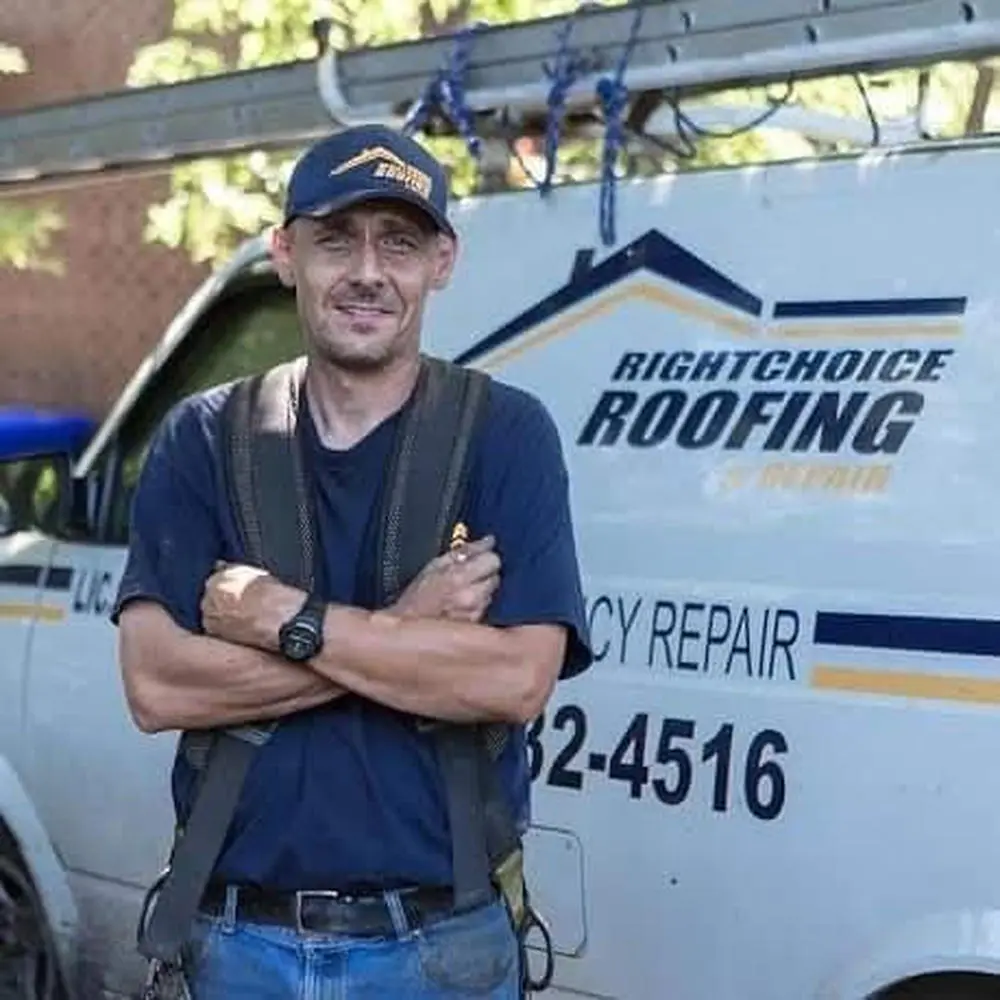
I’m Frank Gillis, owner of Right Choice Roofing and Repair. I’ve been working on roofs across Toronto since 2007. I personally complete every job myself — no subcontractors.
WSIB and Metro Licensed. 4.9-star Google rating. 2-year workmanship warranty on repairs. Up to 15-year warranty on full roof replacements.
Right Choice Roofing and Repair
Frank Gillis — Owner / Operator
📞 416-651-8111
📧 frank@rightchoiceroofing.ca
🌐 rightchoiceroofing.ca
References and Additional Resources
City of Toronto — Wildlife Proof Your Home and Lawn
Official City of Toronto wildlife prevention guide covering raccoon, squirrel, skunk, bird, and urban wildlife prevention strategies. Includes recommendations for securing soffits, vents, chimneys, decks, sheds, and other common wildlife entry points around Toronto homes.
Right Choice Roofing and Repair
Official website for Right Choice Roofing and Repair, serving Toronto since 2007. Includes information about roof repair, roof replacement, slate roofing, flat roofing, wildlife-related roof damage repairs, chimney removal, soffit repairs, fascia repairs, and emergency leak services.
Toronto Roof Replacement Services — Right Choice Roofing and Repair
Detailed information about residential roof replacement services in Toronto, including common roofing failures caused by aging materials, moisture damage, wildlife intrusion, poor ventilation, and structural deterioration.
Wildlife Damage and Roof Repair Services — Right Choice Roofing and Repair
Information about wildlife-related roof damage, including raccoon intrusion, squirrel damage, soffit failures, fascia repairs, roof vent damage, attic entry points, and long-term wildlife prevention solutions for Toronto homes.
Slate Roofing Services — Right Choice Roofing and Repair
Comprehensive guide to slate roof repair, slate roof replacement, heritage slate restoration, copper flashing, traditional slate installation methods, and long-term slate roof maintenance in Toronto.
Chimney Removal Services — Right Choice Roofing and Repair
Explains the benefits of removing unused or deteriorating chimneys that commonly become wildlife entry points. Includes information about roof integration, structural sealing, flashing replacement, and permanent waterproofing.
National Roofing Contractors Association (NRCA)
Industry resource covering roofing best practices, roof ventilation, flashing systems, roofing maintenance standards, drainage systems, and roof protection methods relevant to wildlife prevention and long-term roof performance.
Frequently Asked Questions
Can squirrels or raccoons chew through slate or copper?
No. Squirrels chew through wood, soft lead, and plastic vents. They cannot get through natural slate or the heavy-gauge copper and galvanized steel I use on heritage repairs. Upgrading vulnerable spots to these materials is the most permanent way to wildlife-proof a Toronto home.
Why not just hire a handyman for wildlife roof repairs?
Wildlife-proofing needs two skills — animal exclusion and proper roofing. A handyman might block the hole, but often with foam or caulk that fails the next time it rains. As a roofer, I make sure the repair is weather-tight, matched to your existing roof system, and built to last. See my Roof Repair page for how I approach repairs.
Do you use subcontractors for wildlife repairs?
No. I handle every inspection and repair personally. That means the reinforcement work — galvanized mesh behind soffits, sealed roof vents, sealed plumbing flanges — gets done to my standards. No exceptions.
How long does the one-way door process take?
Usually 3 to 7 days. The door lets the animal exit during its normal feeding cycle but blocks re-entry. Once I confirm the attic is empty, I come back, remove the door, and complete the permanent roof repair. If a chimney is the entry point and it’s no longer in use, I can also handle chimney removal in the same visit.
Will the wildlife reinforcements be visible from the street?
No. On heritage homes in Rosedale, Forest Hill, and The Annex, I tuck galvanized mesh behind the original soffit and fascia. The reinforcement is invisible from the ground, but the wildlife can’t get back in. Your home keeps its historic look — and stays sealed.
Wildlife Roof Damage or Infestation Issues? We'll Fix It Right — Guaranteed.
We not only provide reliable Wildlife removal services but specialize in everything from missing Shingles and active leaks to Flat Roof repairs and Slate Roof restoration, Right Choice Roofing and Repair has been fixing roofs across Toronto since 2007. We show up on time, use quality materials, and back every repair with a 2-year workmanship warranty. Don’t wait until a small problem turns into a costly replacement — call us today and let’s get your roof sorted out fast.